
The circle of it: This company replaces metal-and-silicon RFID tags with fully recyclable, chipless paper tags — cutting CO2 emissions by 60% and costs by 30%
PULPATRONICS
Summary
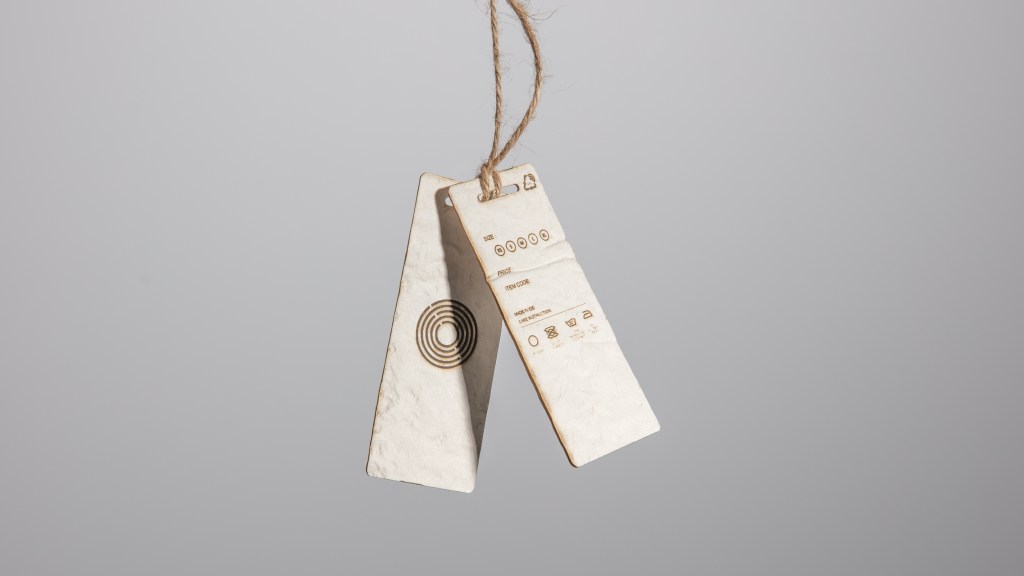
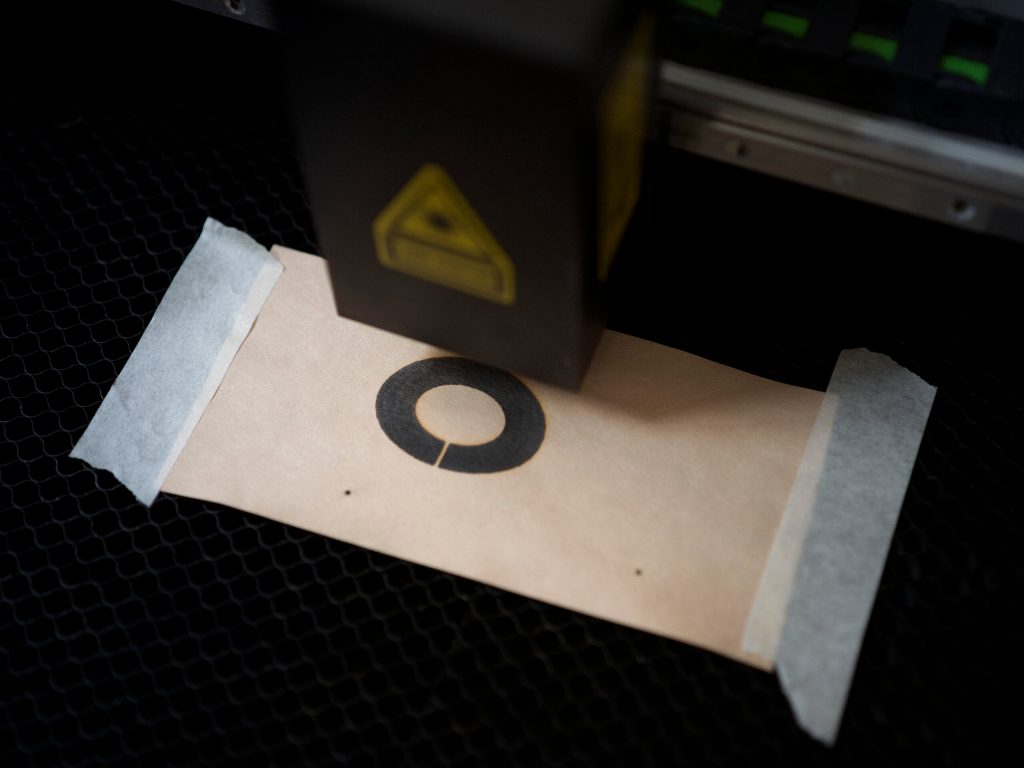
PulpaTronics is a London-based deep tech startup developing fully recyclable, metal-free, chipless RFID tags made from paper. RFID (Radio Frequency Identification) tags are widely used across retail, logistics, and transportation to track inventory, prevent theft, and enable auto-checkout — yet around 18 billion are produced globally each year as single-use items, becoming one of the fastest-growing waste streams in Europe. Traditional tags contain a metal antenna and a silicon microchip, making them incompatible with standard recycling. PulpaTronics solves this by using laser technology to induce a conductive carbon circuit directly onto paper, encoding data in the geometric pattern of the material rather than in a chip — much like a QR code stores information in its shape. The result is a tag that performs the same functions as conventional RFID but can be recycled alongside ordinary paper waste. The company estimates its tags cut CO2 emissions by 60% and reduce manufacturing costs by 30%, and has been recognised as a B Corp. (Source)
Story
PulpaTronics was co-founded by Chloe So and Barna Soma Biro, who met on the first day of a dual master’s programme in Innovation Design Engineering taught jointly by Imperial College London and the Royal College of Art. The idea emerged from a final-year group project in late 2022, driven by a shared frustration: as we move toward a more digitalised world, the hidden environmental cost of single-use electronics was going largely unnoticed. Chloe, who had previously worked at a venture capital accelerator in New York, had become increasingly aware that more products often means more harm to the planet. Soma, with a background in biology and a passion for turning scientific research into real-world solutions, brought the technical drive. Together they embraced the concept of “substraction” — adding value by removing complexity rather than adding it. The company was formally founded in 2023 and has since raised pre-seed funding, run pilot studies with major UK retailers, and grown its team with specialists in laser engineering, radio frequency, and materials science.
Pic credit: Material District (right) and James Dyson Award (top)
“We check the sustainability box, and we check the price-point box, and I think that’s why investors were so excited about this product and willing to give us their money.“
Chloe So, Co-Founder & CEO, in an interview with Imperial College London
Founder(s)
Chloe So and Barna Soma Biro
Headquarters
London, UK
In business since
2023
Technology
Laser-inducing a conductive carbon circuit directly onto paper to create chipless, metal-free, fully recyclable RFID tags
Impact
60% reduction in CO2 emissions and 30% reduction in costs vs traditional RFID tags; 1 million tags saves 2,000 kg of CO2 per year

Leave a comment