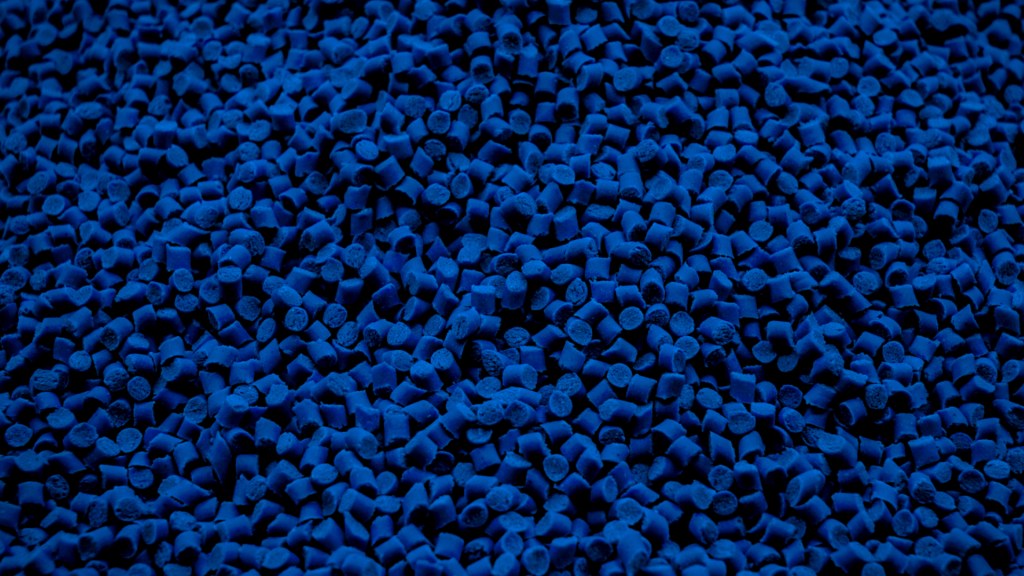

The circle of it: This company is working with seaweed-based plastic alternatives that are entirely compostable, and can be used for various products including cups and straws.
loliware
Summary
Loliware is creating alternatives to traditional single-use plastics by producing a resin from sustainably farmed seaweed. The seaweed is milled down and combined with color, minerals and water, and the resulting pellets can be used for a wide range of applications. Using its innovative SEA (Seaweed-derived, Emission-avoiding, Alternatives to plastic) Technology, the company’s resins are fully compatible with existing manufacturing plastic extruding equipment, which provide a novel and cost-effective way to replace single-use plastics at scale. Currently, the company sells the resin and licenses its technology, but also has a line of seaweed-based straws that are “designed to disappear.” The company was featured in Shark Tank and had once marketed an edible cup made out of the seaweed resin, but is now focusing on other applications with the resin, including utensils. The Blue Carbon Straw is designed to last for at least 24 hours since first use and will completely compost within 60 days. (Source)
Story
Co-founder Chelsea Briganti grwe up in Hawaii feeling a strong connection to the ocean. She met her co-founder Leigh Ann Tucker at Parsons, School of design. Together, they used their skills to create seaweed based products, starting first with the edible cup which was featured on Shark Tank, Season 7. The company has since pivoted to focusing on marketing and licensing their resin technology, and has recently come up with the Blue Carbon Straw, which can be composted after use. The company is now working with several Fortune 500 companies and partnering with Marriott and Pernod Ricard to disseminate millions of plastic-free straws.
Pic Credit: Loliware (right and top)

“When you look at our competition, the only consequential one is paper. You’ve got tons of fiber companies on the scene and China has said that their solution to plastic is paper. But, you’re going to start seeing backlash against paper. In some cases, paper has a worse carbon footprint than plastic because of its inputs: Trees have a long lifecycle and often you have to transport them thousands of miles for processing. We are tree-free and rainforest-free, believing that these precious carbon sinks should remain intact versus be used for packaging.”
Chelsea Briganti in an interview
Founder(s)
Chelsea Briganti and Leigh Ann Tucker
Headquarters
San Francisco, CA
In business since
2014
Business type
for profit
Impact
Technology
developing a plastic alternative using seaweed
Material
seaweed
Website

Leave a comment