
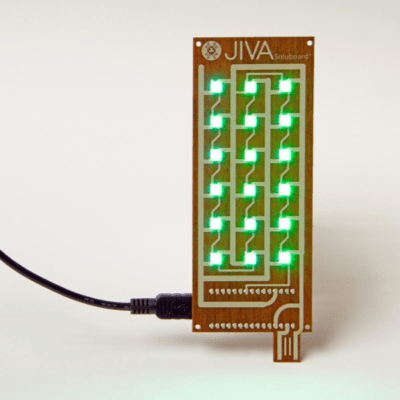
The circle of it: This company is developing a water soluble, biodegradable alternative to Printed Circuit Boards (PCBs), making it easier to recycled electronic components.

jiva materials
Summary
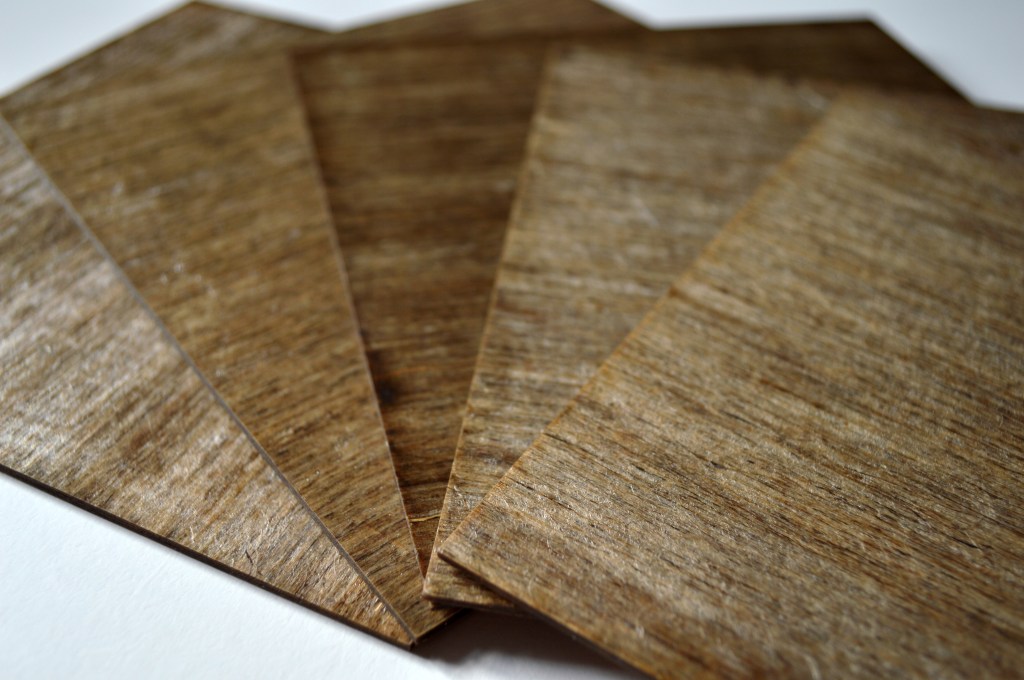
Jiva Materials is attempting to create a full recyclable PCB substrate by developing a compostable PCB which is water soluble, thereby reducing the friction in recycling electronic components of the PCB. Electronic waste and difficulties in successfully recycling them is a growing problem given the demand for electronics. Also, the rising cost of precious metals used in electronics makes it even more necessary to recycle electronic components. The current substrate is constructed from epoxy resin and fiberglass, and the only commercial method of processing waste PCBs involves shredding and incinerating them to extract the precious metals within. This inefficient process is very energy intensive and results in a substantial loss of value of any precious metals recovered. (Source) To tackle this issue, the company has created a “Soluboard” that is made from plant-based fibers (flax, among others), a non-toxic polymer and a halogen-free flame retardant. When immersed in hot water, the polymer dissolves, which breaks apart the natural fibers for composting while allowing 90% of the electronic components to be recovered for reuse or recycling. The remaining water/polymer solution can then “be disposed of using standard domestic waste water systems. (Source)
Story
Co-Founder Jack Herring had a part-time job in a school uniform shop where he was responsible for running embroidery machines, where he got introduced to a unique soluble film material that he thought could be used to make dissolvable circuit boards. He was also interested in flax as an alternative to glass fibers used in conventional PCBs. He experimented with flax and the water soluble film and invented the Soluboard, and got a patent granted for it. Jiva Materials was founded shortly after. (Source)
Pic Credit: Circular Stories
” The circular economy is the ability to maintain an element of value throughout the lifetime of a product. Some would argue that this should be from the beginning of a product’s life until it’s ending. If a product is truly circular, then there should never be an end.”
Jack Herring in an interview
Founder(s)
Jack Herring and Jonathan Swanston
Headquarters
London, UK
In business since
2017
Business type
for profit
Impact
Technology
creating a compostable PCB alternative
Material
flax and other plant fibers
Website

Leave a comment